The Tools of Healthcare: Reclaiming Responsibility for Your Wellbeing
There is a quiet belief that most people carry without ever saying it out loud. It shows up in behavior more than language. When something feels off in the body, the instinct is to wait, to push through, to hope it passes, and then eventually to go see a doctor. The expectation underneath that pattern is that health lives somewhere outside of us, that it belongs to a system, a professional, a prescription, or a diagnosis.

That belief did not come from nowhere. It was built over time through a healthcare system designed to respond to problems once they have already formed. Physicians are trained to diagnose, stabilize, and treat. They are extraordinarily skilled at managing acute conditions and complex disease states. This is essential work. It saves lives every day. At the same time, it was never designed to teach someone how to live in a state of health on a daily basis.
The numbers reflect this gap clearly. According to the Centers for Disease Control and Prevention, six in ten adults in the United States are living with at least one chronic disease, and four in ten are living with multiple. Research published in JAMA Network and supported by data from the National Institutes of Health shows that the vast majority of healthcare spending is directed toward managing chronic conditions rather than preventing them. When most of the system’s energy is spent after the fact, the outcome is predictable. We become very good at treatment and far less practiced in creating health in the first place.
A large percentage of these conditions are influenced by lifestyle patterns over time. The Harvard T.H. Chan School of Public Health has published extensive research showing that conditions like heart disease, type 2 diabetes, and many metabolic disorders are deeply connected to nutrition, movement, stress, and environmental factors. This does not mean health is simple or that illness is a personal failure. It means that daily inputs matter more than we have been taught to acknowledge.

The frustration many people feel toward healthcare often comes from a misunderstanding of its role. A physician has a limited window of time with each patient. In that window, they are responsible for identifying risk, ruling out serious conditions, and determining an appropriate course of action. The system does not allow them to sit with someone long enough to map out a full nutritional history, explore emotional patterns, or build a personalized, sustainable lifestyle plan. Even when doctors care deeply about prevention, the structure around them restricts how that care can be delivered.
So the expectation that doctors will guide long-term wellness continues, even though the system itself does not support that function. It creates a loop of disappointment and dependence at the same time.

At a cultural level, something else has been happening alongside this. What we call “health culture” has often been built on insecurity rather than wellbeing. The messaging has not centered on how to feel stable, clear, and supported in your body. It has centered on how to look acceptable, desirable, or disciplined. Entire industries have grown around the idea that your body is a problem to solve, that your worth is tied to your appearance, and that health is something you can achieve by becoming more visually appealing.
This is where the conversation becomes more complex. When health is tied to aesthetics, it becomes easy to manipulate. It becomes easy to sell products, programs, and identities that promise transformation while quietly reinforcing the belief that something is wrong with you as you are. The pressure to look a certain way feeds into self-worth in a way that has very little to do with actual physiological health. The body becomes something to control rather than something to understand.
There is a long history of this in media and marketing. Studies published through institutions like the National Institutes of Health have explored the connection between body image dissatisfaction, chronic stress, and mental health outcomes. When self-worth is tied to appearance, the nervous system does not settle. It stays activated. That state alone has measurable impacts on hormonal balance, sleep quality, digestion, and immune function.
So now there are two parallel problems happening at once. On one side, a medical system that is structured for intervention rather than daily guidance. On the other side, a wellness culture that often preys on insecurity and sells an image instead of supporting function. Somewhere in the middle of those two, the individual is left without real tools.
This is where the idea of responsibility can feel heavy. If the system is not set up to teach you and the culture is not set up to support you, then what are you supposed to do with that?
The answer is not to do everything. It is to begin to understand that health is built through consistent relationship with your body, not occasional correction of it. It is a process that includes physical care, nutritional awareness, emotional processing, and the ability to regulate your own internal state. None of that happens in a single appointment. None of it happens through a single decision.
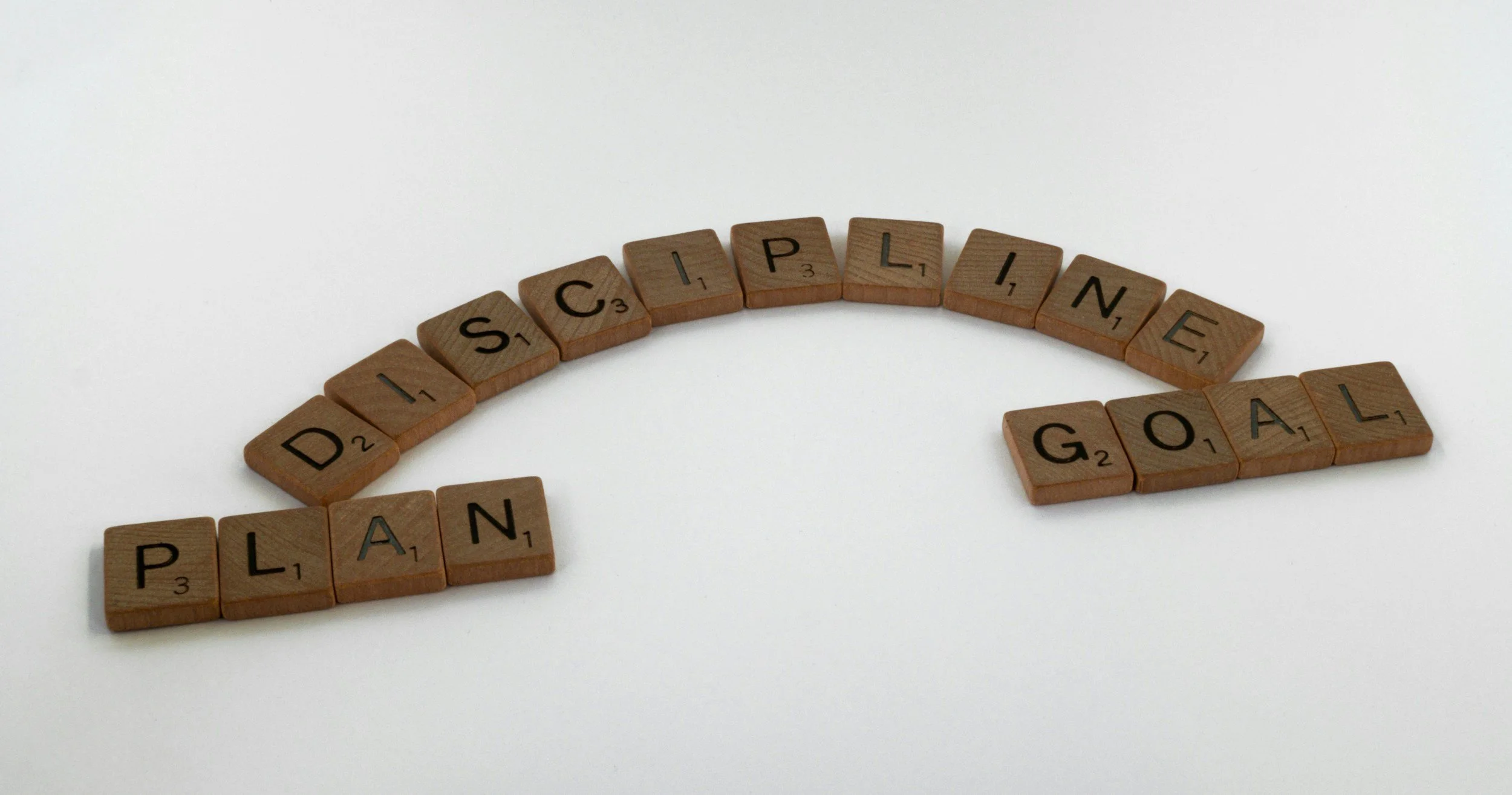
Research on behavioral health interventions continues to show that change happens through structured, repeated engagement over time. Large-scale reviews published in JAMA Network demonstrate improvements in cardiovascular health, weight regulation, and metabolic markers when individuals are supported through ongoing lifestyle programs. The key factor is not intensity. It is consistency and support.
Without structure, most people default back to what is familiar. That often means high stress, constant distraction, and reactive decision-making. It is not because people do not care about their health. It is because there is no framework holding that care in place.
A culture that values productivity over wellbeing reinforces that pattern. When time, energy, and attention are directed primarily toward work and external output, the internal experience is often neglected. Over time, that imbalance shows up physically. It also shows up emotionally in the form of burnout, disconnection, and a lack of clarity about what actually supports you.
Rebuilding a relationship with health requires tools. Not broad advice. Not motivation. Tools that can be practiced, repeated, and integrated into daily life. Tools that help you understand how your body responds to stress, how your energy moves, how your habits are formed, and how to create change without overwhelming your system.
This is the gap most people are feeling. It is not a lack of information. It is a lack of applied structure.
That is the space this work is meant to fill.
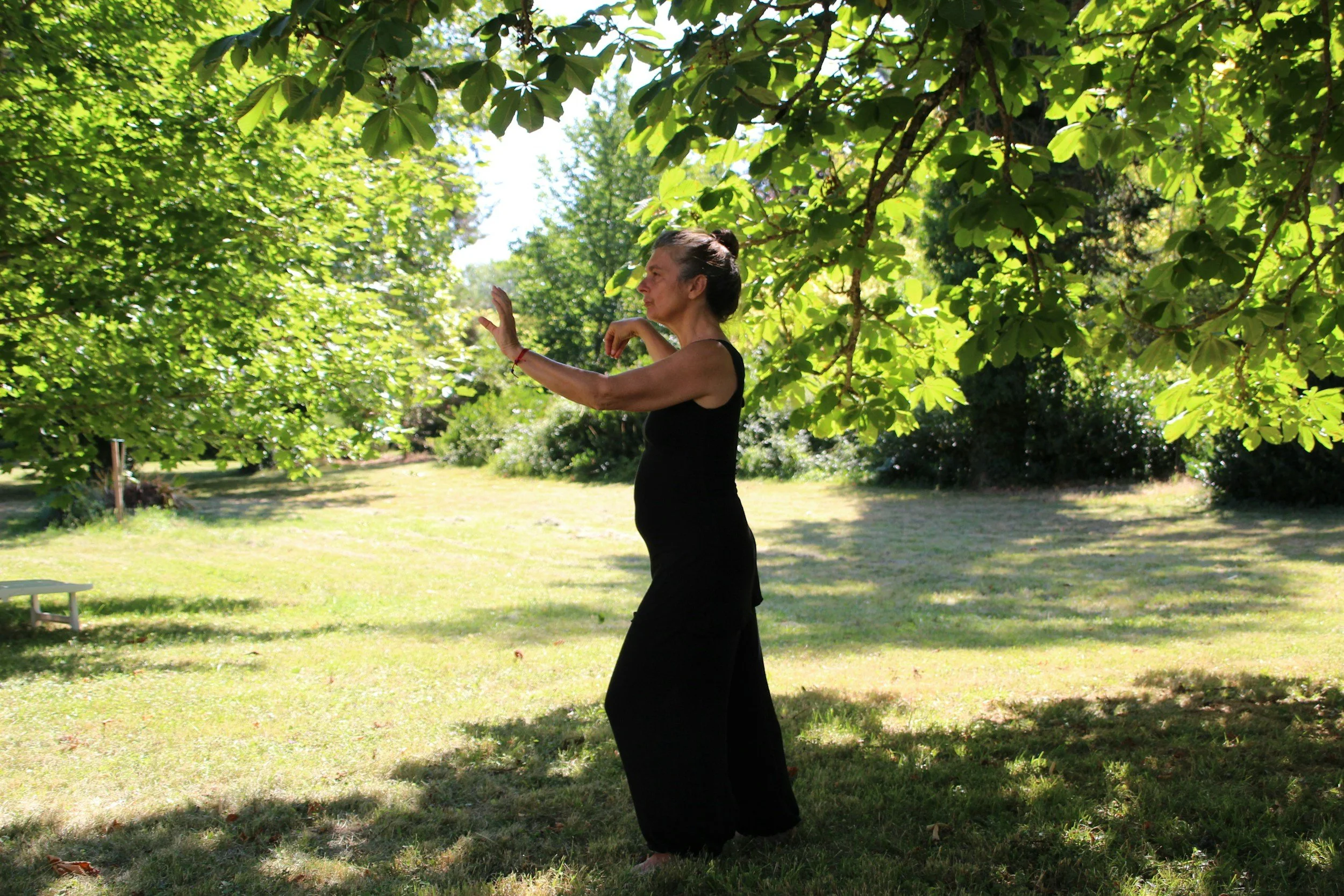
The wellness course beginning April 19th was created to offer a foundation that many people were never given. It is designed to bring together nutritional guidance, body-based practices, and consistent weekly support so that health becomes something you actively participate in rather than something you react to. The intention is not to add pressure or perfection. It is to provide a framework where learning and application can happen side by side.
There is also something important about doing this in a community setting. When people are able to ask questions, share experiences, and see others working through similar patterns, the process becomes more sustainable. It moves out of isolation and into something that can be maintained.
Health is not something that appears at the end of a prescription. It is something that is built through attention, repetition, and support. The system we have is valuable for what it was designed to do. It was never meant to carry the full weight of your wellbeing.
At some point, the responsibility shifts back to the individual. Not as blame, and not as pressure, but as an opportunity to actually build something that supports your life.
You were never given all the tools. That part is real.
You can still choose to learn them.